Staple food prices split between stable and surging
As certain items grow more expensive, shoppers seek ‘tradeoffs for cheap calories.’
By Forrest J.H.
The prices of certain staple foods are diverging.
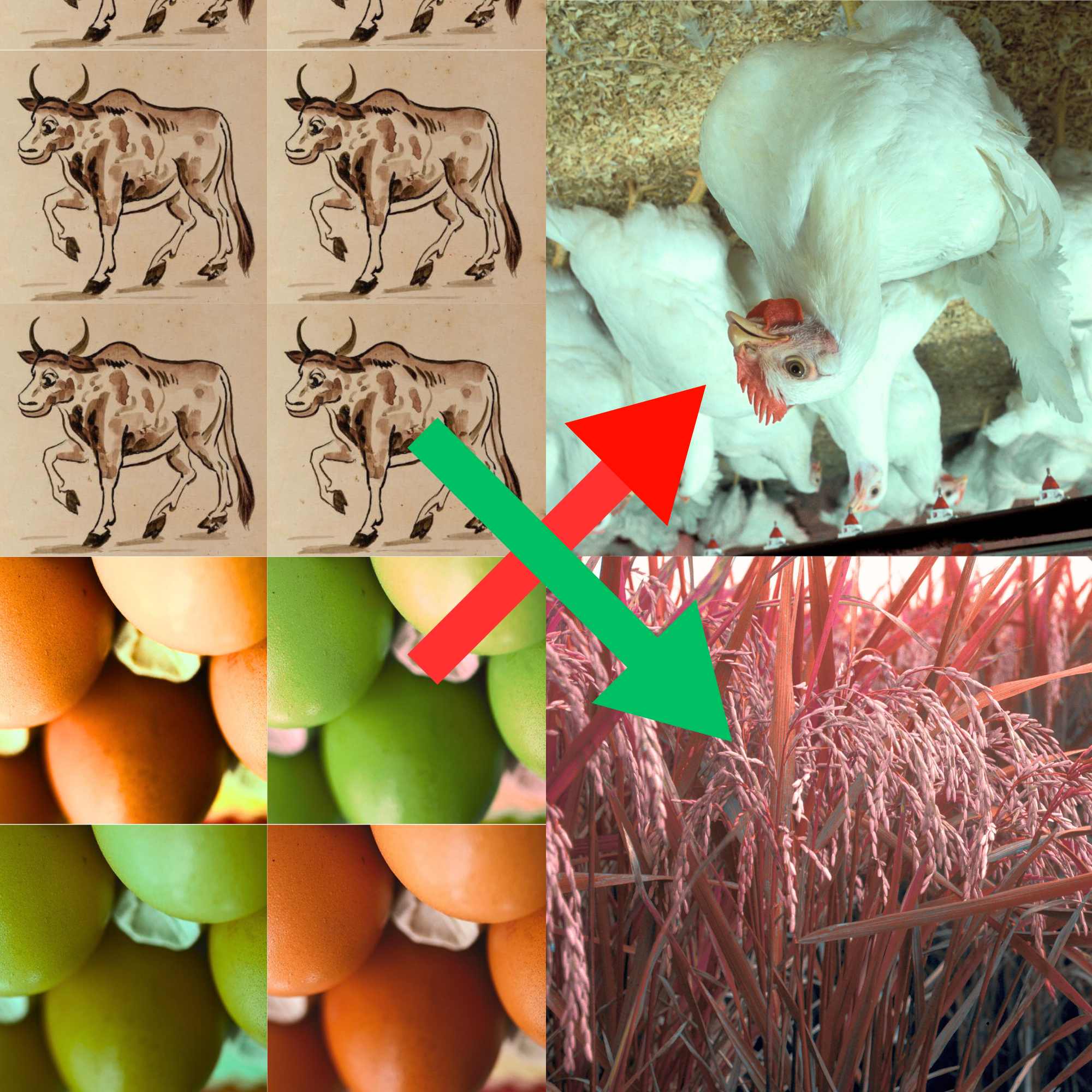
The cost of milk and chicken are gradually trending down while the price of eggs appear to be in an endless freefall. But on the other hand, beef prices are spiking while typically stable rice and bananas are decidedly creeping upward.
According to the Bureau of Labor Statistics’ Consumer Price Index published in January, overall food prices increased between November and December of 2025 at a rate of 0.7 percent, the steepest jump in years.
While that one measurement lacks some nuance, Cornell University agricultural economist Chris Barrett told Marketplace grocery shoppers with tighter budgets will see the divergence and it is likely to have a negative effect on their diets.
“Food prices really don’t affect the behaviors of the well off,” Barrett said. “Food prices affect the behavior of people who are struggling to make ends meet, and we see a lot of tradeoffs for cheap calories.”
The CPI’s calculated 0.7 percent overall increase in food prices is surely influenced by the rapid jump in prices of a few key items, like coffee and beef
Between November and December of 2025 – the latest data available – the average price of a pound of beef fell a meager two cents from its all-time record high, landing at $9.12, according to Oven Light Journal’s measure. Experts say beef prices have been on this track for years, blaming droughts, feed price inflation and shrinking herds. More recent developments have piled on to push up beef prices, including the spread of New World Screwworm among cattle in Central America and destabilizing relationships between the United States and major international beef producers.
Similarly, rice and bananas have crept up in price despite their usual stability. Rice was at its priciest all year in December, landing at $1.08 per pound. Bananas were nearly their most expensive all year, landing at $0.66 per pound. These two items could be key indicators of more expensive grocery bills to come.
Chicken and egg prices are going against the flock. Chicken prices have been falling consistently for about six months and most recently landed at an average $2.63 per pound. Egg prices have been crashing since the peak of a devastating bird flu outbreak in the spring of 2025, and they have fallen below even pre-bird flu levels.
Despite a slight increase in price, milk was still nearly the cheapest it has been in a year, landing at $3.71 per gallon.
Cheaper chicken, eggs and milk probably will not come as much relief to the average shopper, especially in the context of data-driven government measurements. The routine grocery shop and occasional dinner out is always a reminder of exactly how much it costs to put food on the table.
"Families may not closely track core inflation, but they see grocery prices and restaurant costs immediately," Loyola Marymount University economics professor Sung Won Sohn told Reuters. "A renewed push in food prices is not merely a statistical detail, it can influence public perception, wage negotiations and ultimately economic behavior."
###
THIS ARTICLE’S INGREDIENTS
Bureau of Labor Statistics
Data Finder 1.1
Bureau of Labor Statistics
Consumer Price Index news release
January 13, 2026
https://www.bls.gov/news.release/cpi.nr0.htm
Reuters
US consumer inflation increases steadily, but households paying more for food and rents
January 13, 2026
https://www.reuters.com/business/us-consumer-prices-increase-expected-december-2026-01-13/
CBS News
Chew on this: U.S. food prices are still up 19% since 2022
January 14, 2026
https://www.cbsnews.com/news/food-prices-pain-point-december-cpi-date/
Marketplace
"I just eat to survive": How consumers are dealing with rising food prices
January 13, 2026
Oven Light Journal
Beef prices hit on all flanks
By Forrest J.H.
September 26, 2025
https://www.ovenlightjournal.com/news/beef-prices-hit-on-all-flanks